How to manage intrusive and negative thoughts
Have you ever been in the middle
of a meeting, a conversation, or even a quiet moment, when suddenly a
disturbing thought pops into your head? Maybe it's an image, a fear, or a
memory that feels out of place and unwelcome. You try to shake it off, but it
lingers, making you question your sanity or morality.
Research indicates that 94% of people experience unwanted, intrusive
thoughts at some point in their lives. These thoughts can range from the
mildly annoying to the deeply distressing, but they are a common part of the
human experience.(ScienceDaily)
In this guide, we'll explore
practical strategies to manage intrusive and negative thoughts, helping you
regain control and peace of mind.
Understanding intrusive and
negative thoughts
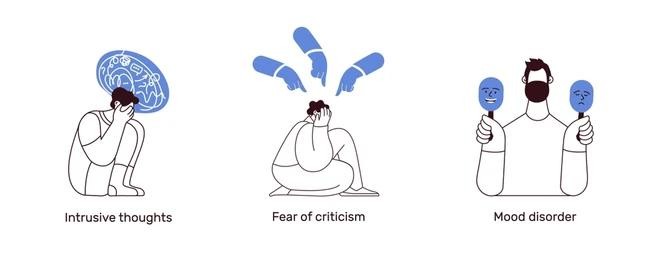
Intrusive thoughts are unwanted,
involuntary thoughts, images, or ideas that can be disturbing or distressing.
They often involve themes of harm, taboo, or inappropriate behavior. While they
can be unsettling, experiencing intrusive thoughts does not mean you agree with
them or will act on them.(ScienceDaily)
Why do they occur?
Intrusive thoughts can be
triggered by stress, anxiety, or traumatic experiences. They are also common in
certain mental health conditions, such as Obsessive-Compulsive Disorder (OCD),
where they may be more frequent and intense. However, even individuals without
a mental health diagnosis can experience intrusive thoughts.
Strategies for managing intrusive
and negative thoughts
1. Acknowledge and accept
The first step in managing
intrusive thoughts is to acknowledge their presence without judgment. Recognize
that having these thoughts does not define you. Acceptance can reduce the power
these thoughts have over you.(Harvard Health)
"I will not let anyone walk
through my mind with their dirty feet." — Mahatma Gandhi
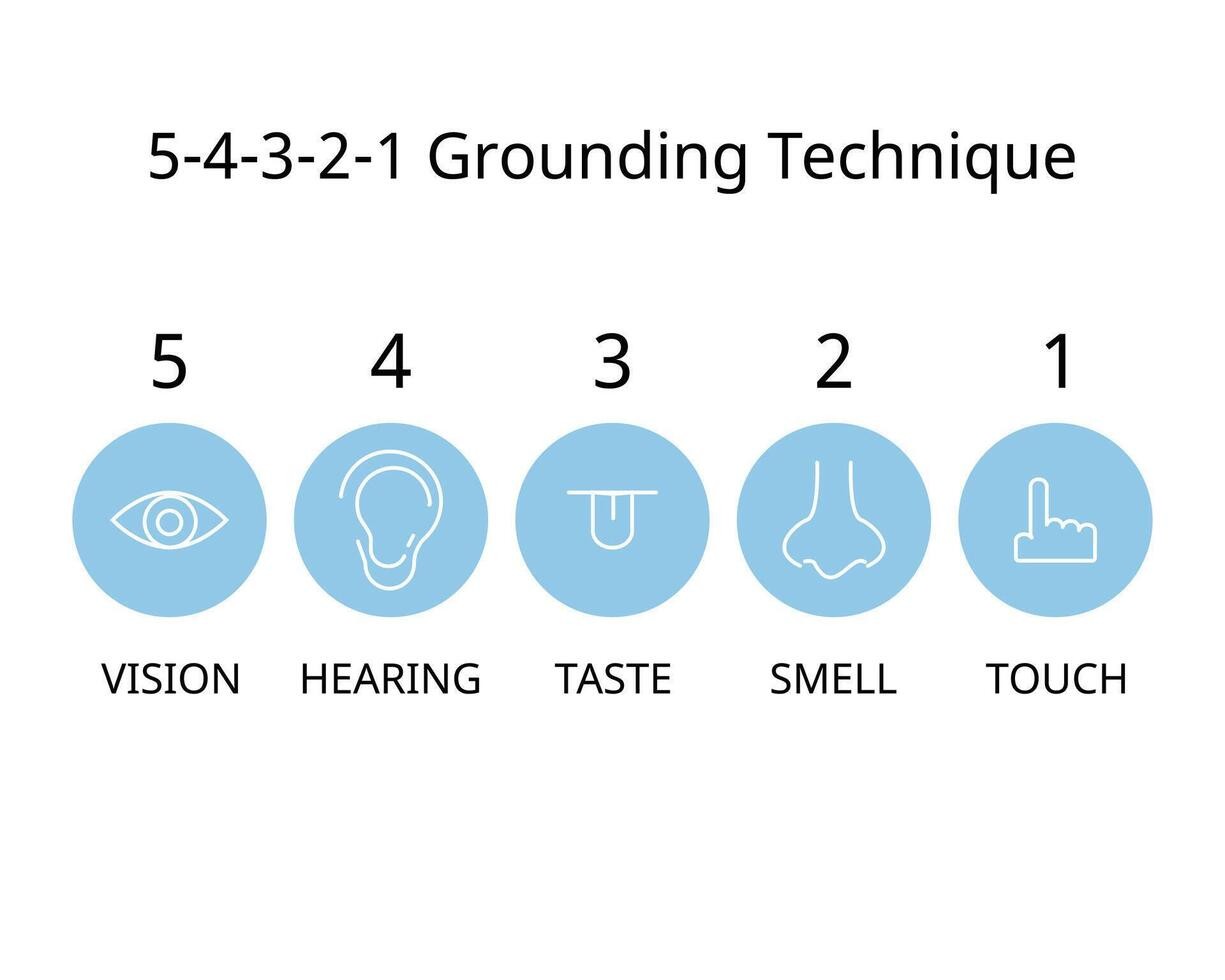
2. Practice mindfulness
Mindfulness involves staying
present and fully engaging with the current moment. By focusing on your breath,
sensations, or surroundings, you can create distance between yourself and your
thoughts. Regular mindfulness practice can reduce the frequency and intensity
of intrusive thoughts.(Verywell Mind)
3. Reframe negative thoughts
Cognitive reframing involves
changing the way you interpret a situation or thought. Instead of thinking,
"I'm a terrible person for having this thought," you might reframe it
as, "This is just a thought; it doesn't define me." This shift in
perspective can alleviate distress.(Wikipedia)
4. Engage in thought-stopping techniques
When you notice an intrusive
thought, use a mental cue to interrupt it. This could be saying
"stop" aloud or visualizing a stop sign. Follow this by redirecting
your attention to a positive or neutral activity. Consistent practice can help
reduce the occurrence of unwanted thoughts.(nhs.uk, PositivePsychology.com,
Verywell
Mind)
5. Limit rumination
Rumination involves repeatedly
thinking about distressing situations or thoughts. To break this cycle, set
aside a specific "worry time" each day to process these thoughts.
Outside of this time, gently redirect your focus to the present moment or engage
in activities that require concentration.(Health)
6. Seek professional support
If intrusive thoughts are causing
significant distress or interfering with daily life, consider seeking help from
a mental health professional. Therapies such as Cognitive Behavioral Therapy
(CBT) have been effective in managing intrusive thoughts and related
conditions.
Building a supportive environment
Create a routine
Establishing a daily routine can
provide structure and predictability, which may reduce anxiety and the
occurrence of intrusive thoughts. Include time for self-care, physical
activity, and relaxation.
Connect with others
Sharing your experiences with
trusted friends or support groups can alleviate feelings of isolation. Knowing
that others have similar experiences can be comforting and provide new coping
strategies.
In a nutshell, managing intrusive and negative thoughts is a journey that involves patience, self-compassion, and practice. Implementing these strategies and seeking support when needed can reduce the impact of these thoughts on your life. Remember, thoughts are not facts, and you have the power to choose how you respond to them.